Mission
Project PlumWoke is a research-driven digital archive that reinterprets the Battle of Plum Creek (1840) to reveal how Texas was produced through global systems of settler colonial expansion.
What we are:
Project PlumWoke is a digital platform for microhistory—an in-depth study of a single event used to illuminate global historical structures.
The Battle of Plum Creek is not treated as an isolated frontier conflict. Instead, it is approached as the outcome of intersecting forces: land speculation, colonial policy, military strategy, and the expansion of settlement into Comanche territory.
By examining Plum Creek through the theoretical framework of settler colonialism—understood as a structure rather than an event—the project situates this local history within a broader analytical field. What appears as a regional conflict becomes legible as part of a larger pattern: the reorganization of land, sovereignty, and population through systems of expansion.
In this sense, Plum Creek does not remain only Texan. It enters into comparison.
What We’re Building
Project PlumWoke is a public history platform that brings together:
- research-driven narrative essays
- curated archival materials
- thematic explorations of land, law, and conflict
- a growing digital repository of sources
It is designed not only to present history, but to situate it—locally precise, and globally legible.
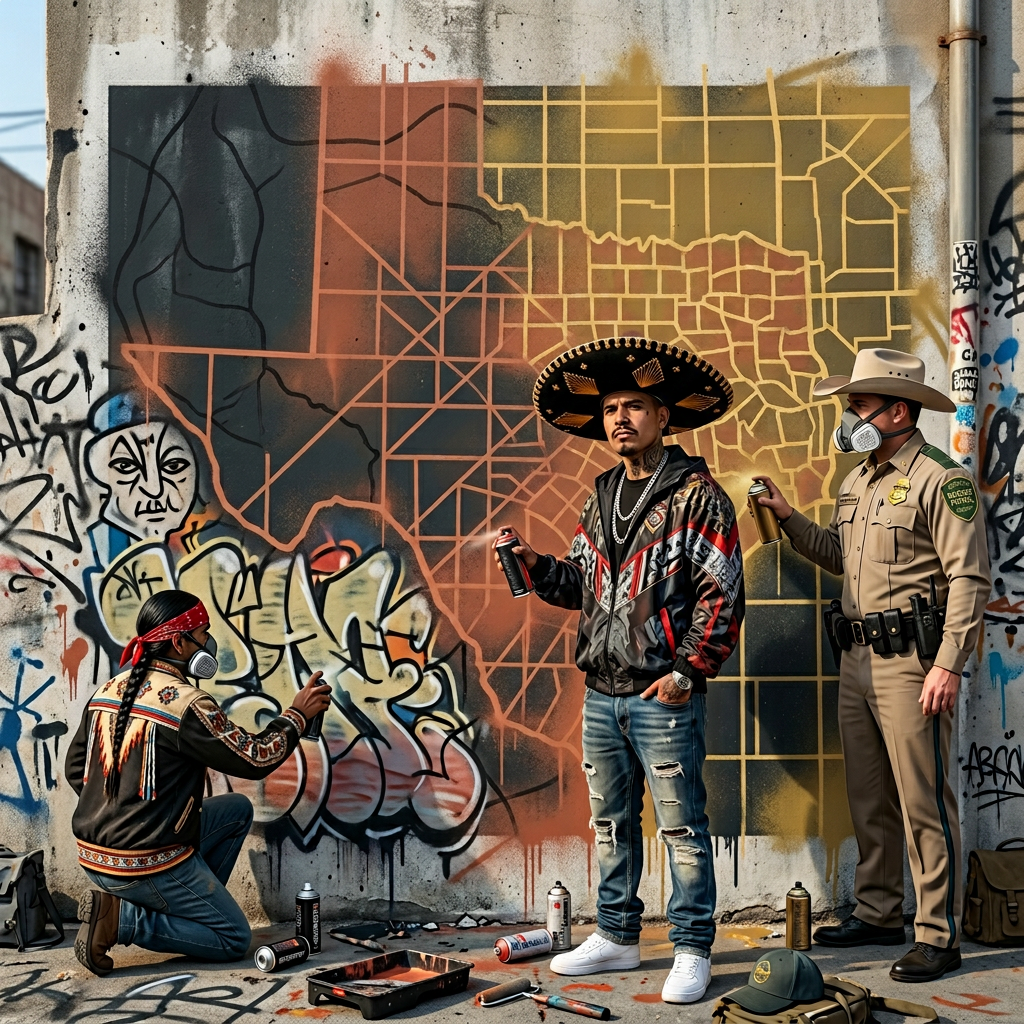
Explore the Glossary for key concepts that reveal how Texas was made—and how to read what still lies beneath.
How We Work
This project is built on three core commitments:
1. Local History as Global Structure
We examine systems—land policy, military action, diplomacy—rather than isolated events, as particular instances of the global phenomenon of colonialism.
2. Archive as Public Space
Primary sources are central. Readers engage directly with treaties, maps, letters, and records.
3. Critical Readership
The aim is clarity, not persuasion: to make visible how historical narratives are constructed.
Why It Matters
The history of Texas is often told as a self-contained story.
Project PlumWoke proposes a different approach: to read Plum Creek as both a local event and part of a broader historical formation. By placing it within a global framework of settler colonial expansion, the project makes it possible to see how structures repeat, adapt, and diverge across regions.
Across South Africa, South Asia, Indonesia, Australia, and North and South America, we see recurring patterns: land transformed into property, sovereignty redefined, and expansion carried out through the coordination of law, diplomacy, and force. These histories are not identical. But they are comparable.
Even where such interpretations may not be widely accepted within Texas itself, they remain legible to global audiences who recognize these dynamics in their own historical contexts. Project PlumWoke invites readers to return to the local archive and engage the past critically and on a global scale.
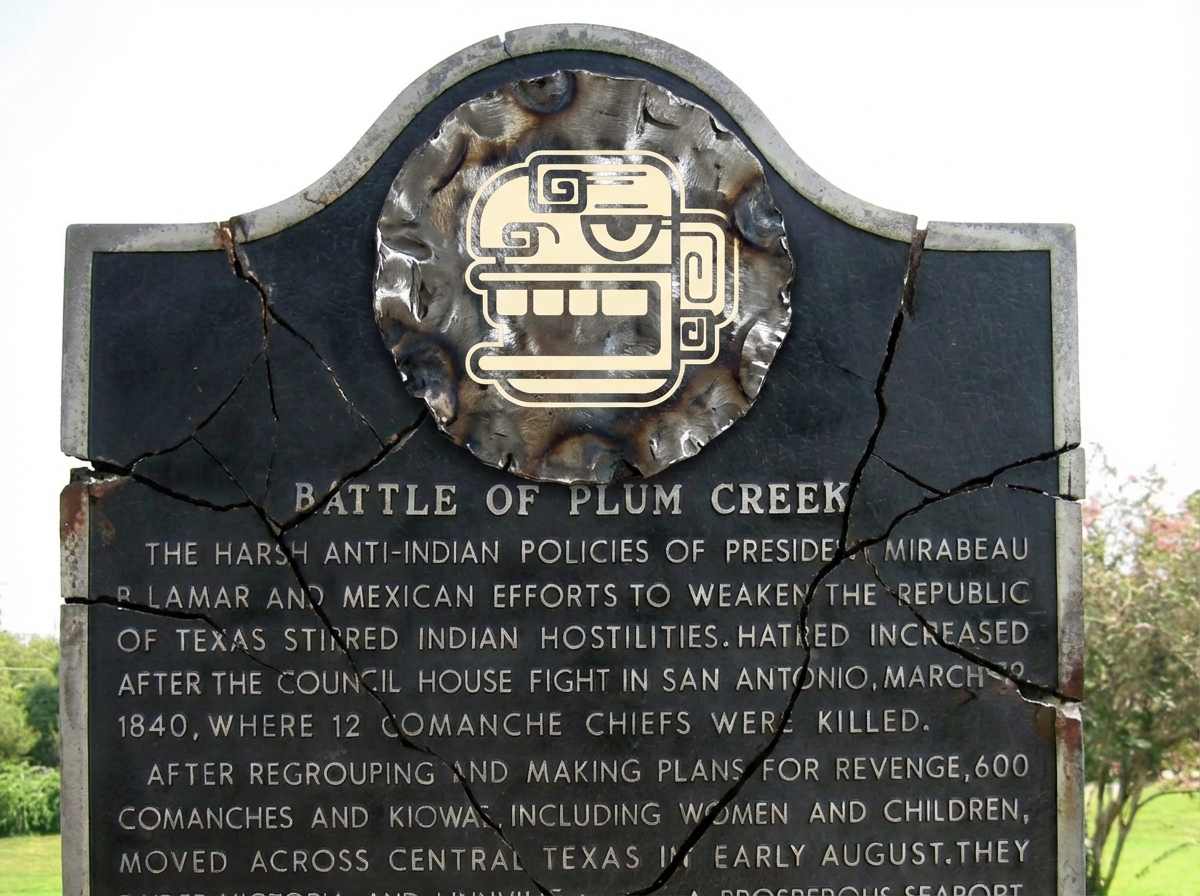
Those who engage with Project PlumWoke will learn to see history not as a sequence of events, but as a set of underlying structures.
They will come to understand:
- how Indigenous sovereignty was not simply challenged, but systematically displaced as a condition of settler state formation
- how diplomacy functioned within a broader system that tended toward coercion, often giving way to rupture and violence
- how expansion operated as a coordinated process—translating policy into dispossession through settlement, law, and force
In doing so, the project invites readers to ask:
- What does sovereignty mean when it is reorganized rather than openly denied?
- When does diplomacy function as negotiation, and when as delay within an inevitable process?
- How do legal and political systems make dispossession appear orderly—or even invisible?
Plum Creek offers a different lens.
This is not history as affirmation. It is history as structure—
as comparison—
and as inquiry.
 PROJECTPLUM WOKE#